

 Back
Back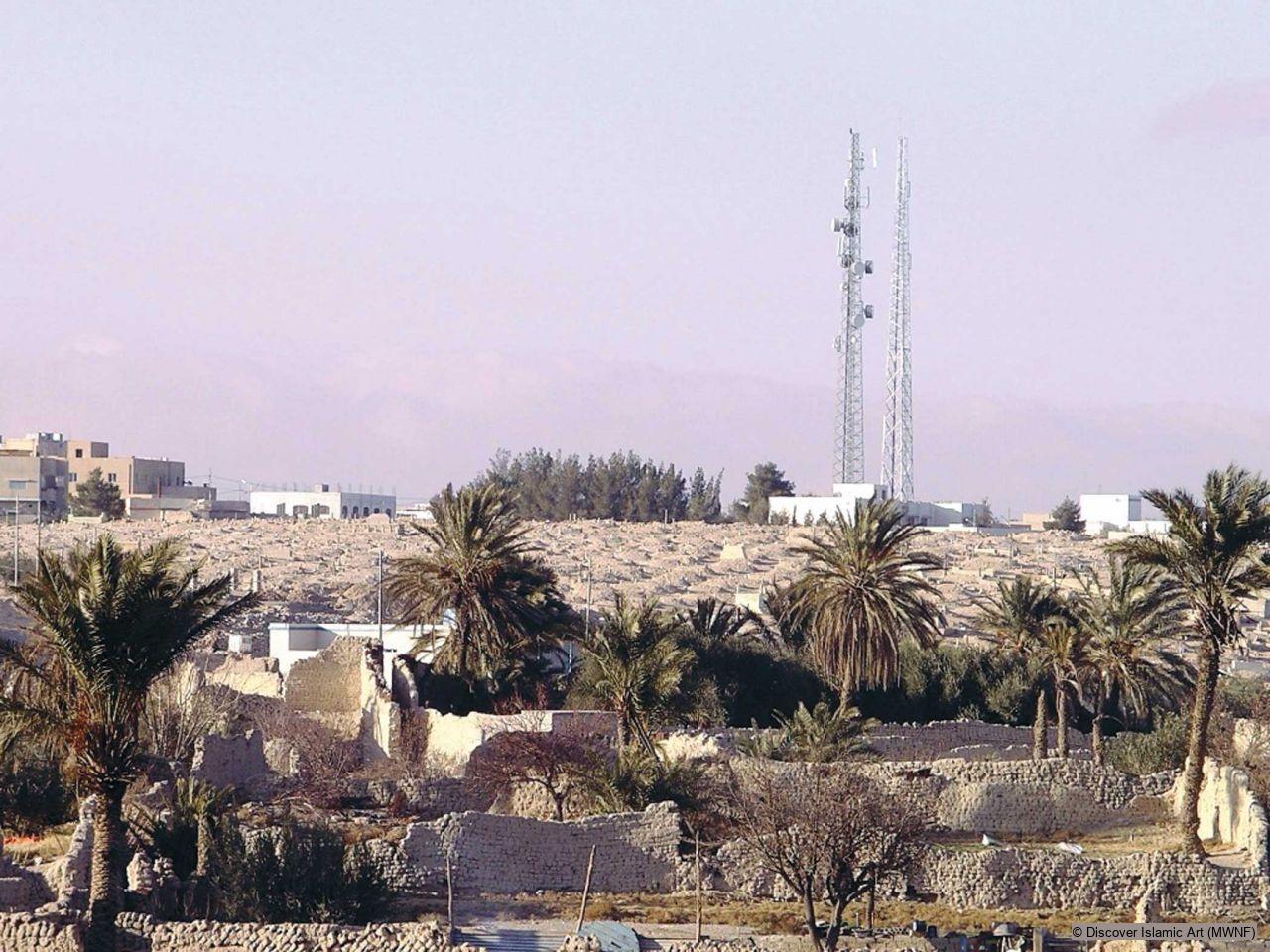
Name of Monument:
The Fortress at Ma’an
Location:
Ma’an, Jordan
Date of Monument:
Hegira 937 / AD 1531
Period / Dynasty:
Ottoman
Patron(s):
Sultan Suleyman the Magnificent (r. AH 926–74 / AD 1520–66).
Description:
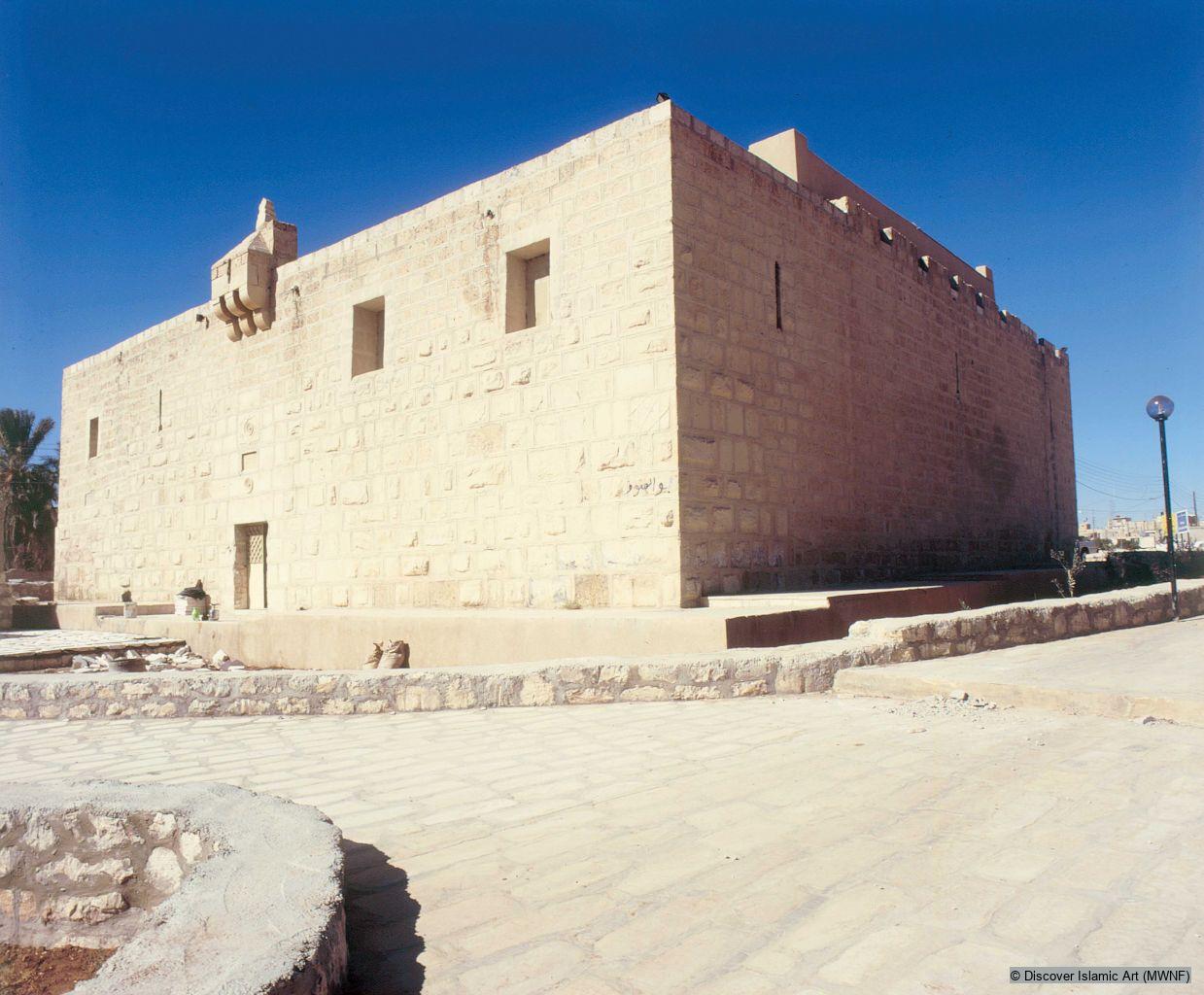
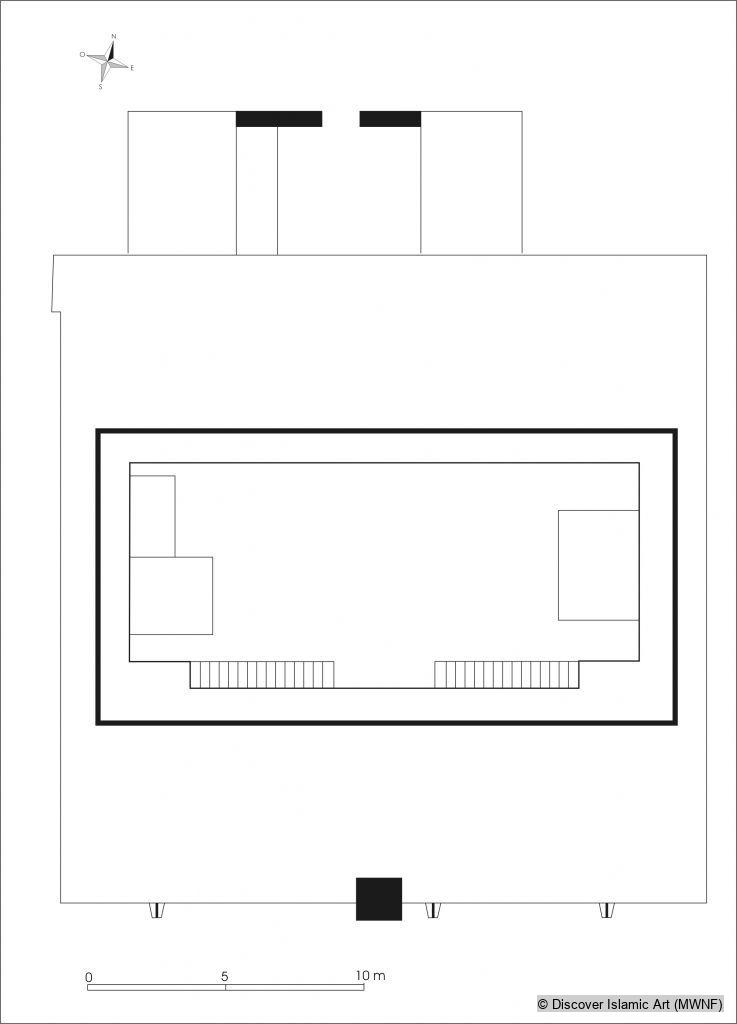
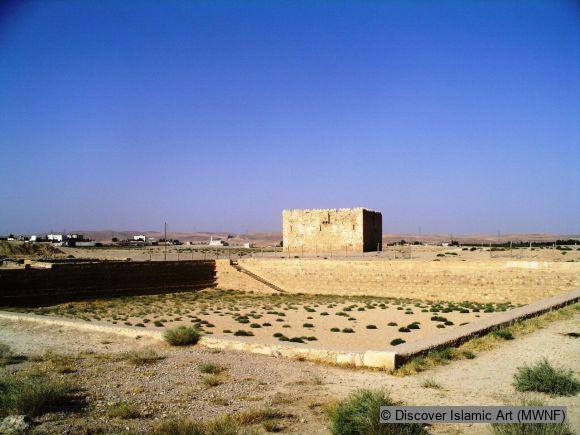
A station on the pilgrimage route in southern Jordan, the fortress at Ma'an lies about 200 km south of Amman along the desert highway. The monument is a square structure measuring 24 m x 24 m with a maximum preserved height that exceeds 9 m.
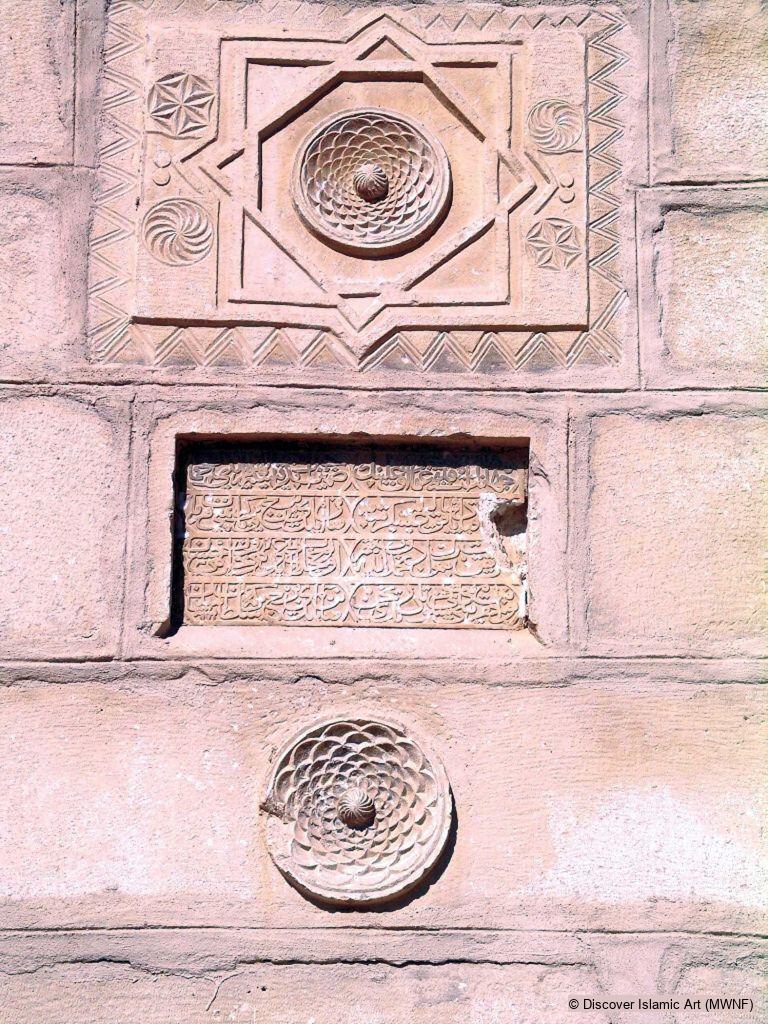
The walls are provided with plain slit windows, with the entrance gateway located in the middle of the eastern wall articulated by stone decorations immediately above it. At the top of the wall, directly above the gateway, a machicolation (a projecting window) is placed. Two different types of masonry were used to construct the eastern wall which might indicate some repairs and modifications to the gateway and the upper storey. The stone decoration consists of an inscription placed between two decorative devices at the top and the bottom of it. The inscription cites the name of the Ottoman Sultan Suleyman the Magnificent as the founder. The upper device consists of an eight-pointed star formed by two intersecting squares with a concave decorative disc in the centre. On both sides of the star and in the centre of the concave disk additional elements of floral and geometric designs are added.
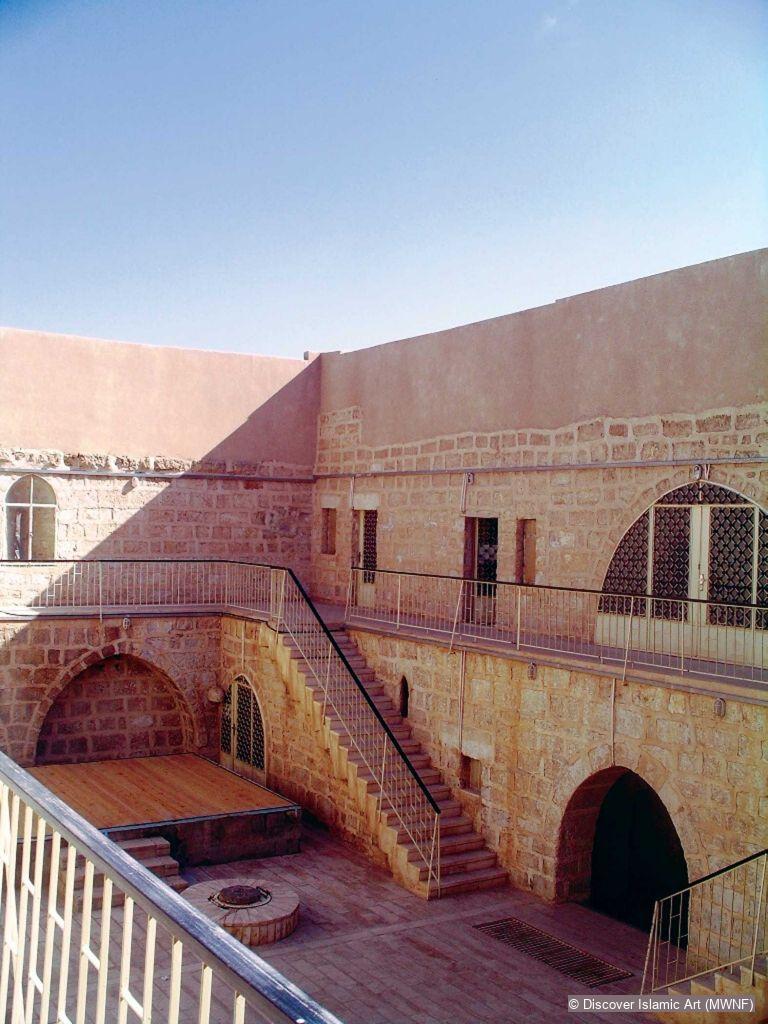
At the ground level 10 rooms, including two centrally placed iwans, were organised symmetrically on both sides of a rectangular internal courtyard measuring 19 m x 8 m. This arrangement is repeated on the first floor which, in addition, was provided with a walkway that is 1 m long.
The Ma’an fortress is a station on the pilgrimage route, about 200 km south of Amman. The monument is a square structure. Its walls have slit windows, with the entrance gateway located in the middle of the eastern wall. Stone decorations immediately above it surround an inscription that cites the Ottoman Sultan Suleyman the Magnificent as the founder (in AH 937 / AD 1531). At the top of the wall above the gateway, a projecting window is placed. Two different types of masonry were used to construct the eastern wall, which might indicate repairs and modifications to the gateway and the upper storey.
How Monument was dated:
The fortress is dated to 937 / 1531 and attributed to Sultan Suleyman the Magnificent (r. 926-74 / AD 1520–66) on the basis of an inscription above the gateway.
Selected bibliography:
Burckhardt, J. L., Travels in Syria and the Holy Land, London, 1882, pp.436–7
Doughty, C. M., Travels in Arabian Deserts, London, 1926, pp.73–4.
Musil, A., The Northern Hegaz, New York, 1926, pp.2–5.
Peterson, A., Early ottoman Forts on the Hajj Route in Jordan, unpublished MA thesis, University of Oxford, 1986, pp.86–93.
Peterson, A., “Early Ottoman Forts on Darb al-Hajj”, Levant, Vol. XXI, 1989, pp.97–117.
Citation of this web page:
Mohammad Najjar "The Fortress at Ma’an" in Discover Islamic Art, Museum With No Frontiers, 2026. 2026.
https://islamicart.museumwnf.org/database_item.php?id=monument;ISL;jo;Mon01;28;en
Prepared by: Mohammad NajjarMohammad Najjar
Mohammad Najjar is an archaeologist and has been Director of Excavations and Surveys at the Department of Antiquities of Jordan since 1988. He studied archaeology at the Institute of Archaeology in Moscow from where he holds his Ph.D. He was affiliated to the Department of Antiquities of Jordan in 1982 as Curator of Jordan Archaeological Museum. He was the Technical Director of Cultural Resources Management (sites development) at the Ministry of Tourism and Antiquities between 1994 and 1997. He is the author of numerous publications on the archaeology of Jordan.
Copyedited by: Mandi GomezMandi Gomez
Amanda Gomez is a freelance copy-editor and proofreader working in London. She studied Art History and Literature at Essex University (1986–89) and received her MA (Area Studies Africa: Art, Literature, African Thought) from SOAS in 1990. She worked as an editorial assistant for the independent publisher Bellew Publishing (1991–94) and studied at Bookhouse and the London College of Printing on day release. She was publications officer at the Museum of London until 2000 and then took a role at Art Books International, where she worked on projects for independent publishers and arts institutions that included MWNF’s English-language editions of the books series Islamic Art in the Mediterranean. She was part of the editorial team for further MWNF iterations: Discover Islamic Art in the Mediterranean Virtual Museum and the illustrated volume Discover Islamic Art in the Mediterranean.
True to its ethos of connecting people through the arts, MWNF has provided Amanda with valuable opportunities for discovery and learning, increased her editorial experience, and connected her with publishers and institutions all over the world. More recently, the projects she has worked on include MWNF’s Sharing History Virtual Museum and Exhibition series, Vitra Design Museum’s Victor Papanek and Objects of Desire, and Haus der Kulturen der Welt’s online publication 2 or 3 Tigers and its volume Race, Nation, Class.
MWNF Working Number: JO 28
RELATED CONTENT
Related objects


Related monuments


Islamic Dynasties / Period
On display in
Exhibition(s)
Discover Islamic Art
Western Influence in Ottoman Lands | Jordan Pilgrimage | Pilgrimage Routes and Holy Sites Along the Way The Ottomans | Guardians of the Holy SitesDownload
As PDF (including images) As Word (text only)