

 Back
Back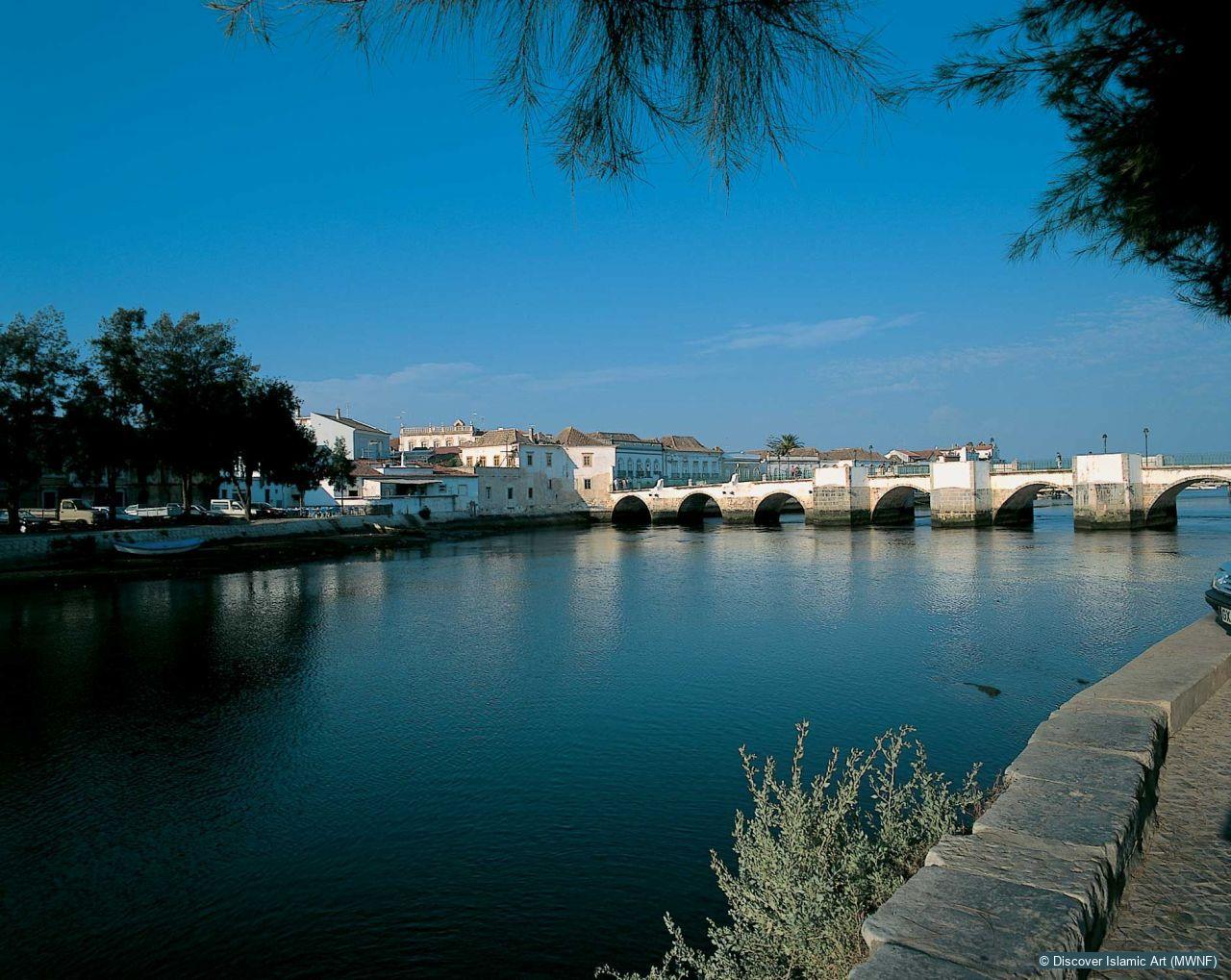
Name of Monument:
Castle and Mosque of Tavira
Location:
Tavira, Faro, Portugal
Date of Monument:
Hegira 5th–7th / AD 11th–13th century
Period / Dynasty:
Taifa, Almoravid and Almohad periods
Description:
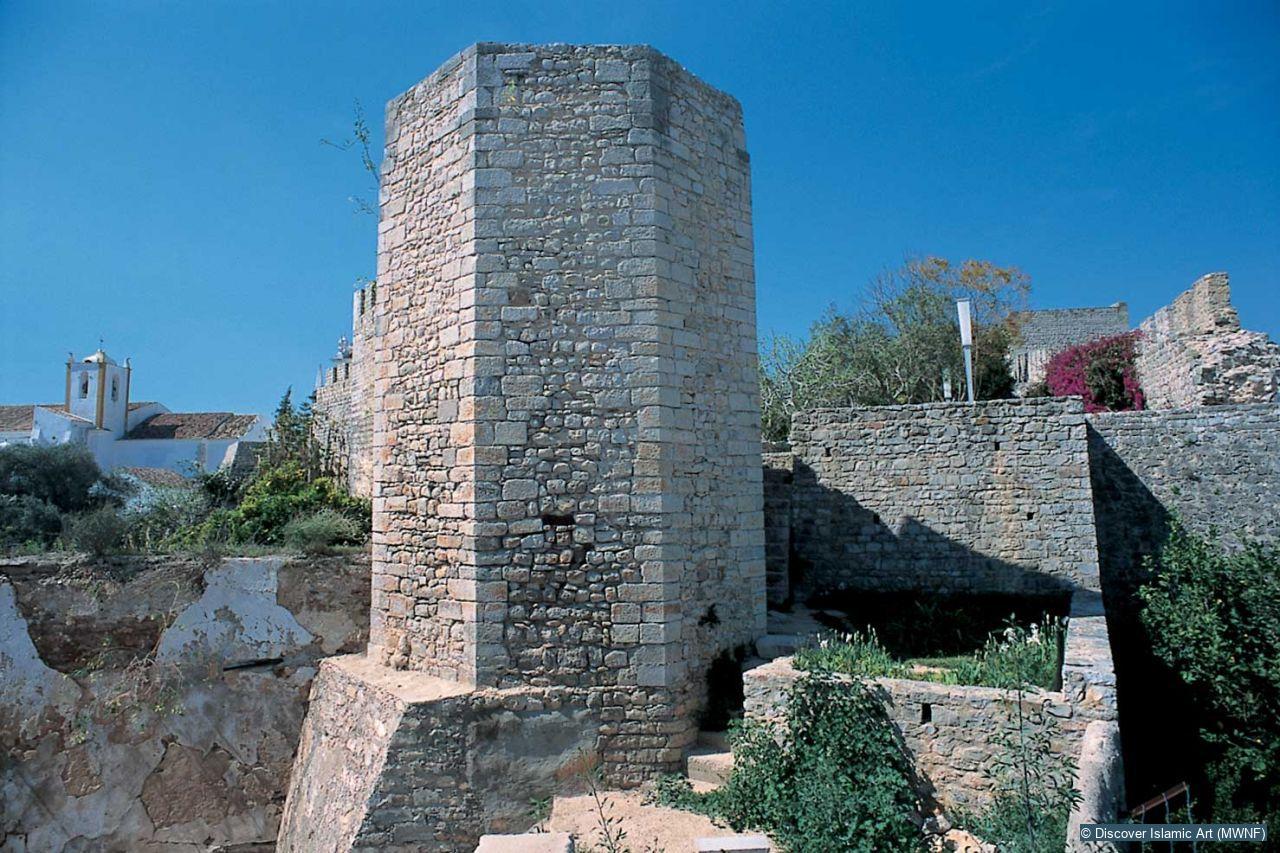
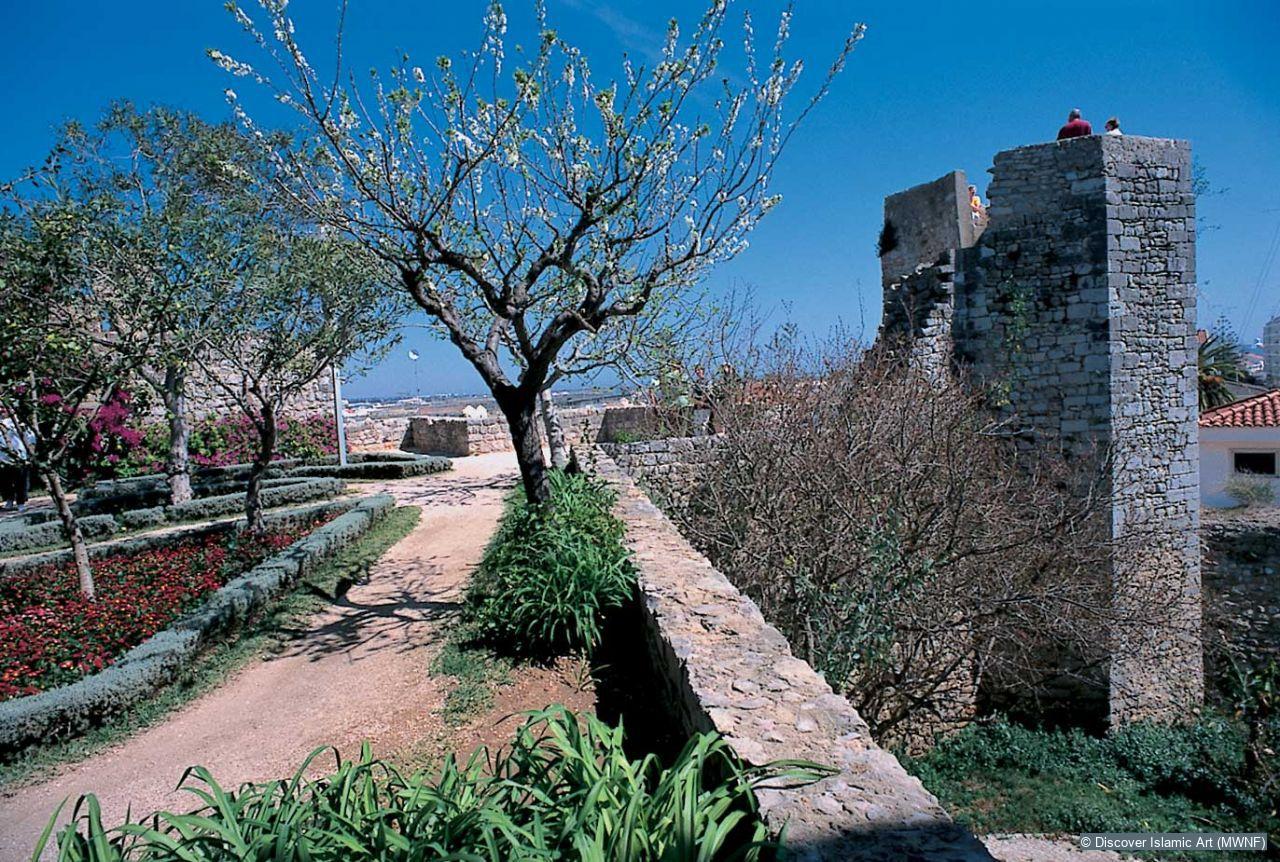
Arabic sources from the AH 6th century / AD 12th century identify Tavira as a village and hisn (castle), located in the Gharb al-Andalus. This circular-shaped, fortified settlement, covering an area of approximately 4 hectares, was built on top of a hill above the River Gilão, a natural harbour protected by the marshes and sandy islands of the Formosa Estuary. Tavira would have been surrounded by a stone wall with substantial cuboid turrets. In the Almohad period the settlement was extended and a new wall built on top of some of the houses. This structure, with an average height of 10 metres, was 3.5 metres thick, with an outer covering of masonry and in-filling of tabiyya (compressed dry mud). A watchtower made of tabiyya lined with stone has been identified. A study of the layout of the Almohad walls reveals the existence of six entrances, and seven towers have also been identified. The mosque stood at the highest point, on which the church of Santa Maria was later built. Archaeological excavations carried out recently have unearthed rubbish heaps with materials from AH 5th–6th / AD 11th–12th centuries and dwellings dating from the first half of AH 6th / AD 12th century. Tavira was occupied during the second Taifa period, by Amil ibn Umnib, and subsequently dominated by the Almohad army under siege at Cacela, between the years AH 546 and 562 / AD 1151 and 1167.
View Short DescriptionThis circular fortified village covering some 4 hectares is located on the top of a hill over the River Gilão, a natural harbour protected by the marshes and sandy islands of the Formosa Estuary. A study of the line of the Almohad wall has revealed the existence of six gateways and seven towers. A stone-clad adobe flanking tower was also discovered. The mosque was sited at the highest point, and the Church of Santa Maria was built on top of it. Today the only link to this use of the land is in its topography, toponomy and tradition.
How Monument was dated:
By means of Arabic sources from the 6th / 12th century, namely al-Idrisi and Ibn Sáhib al-Sala. Parallels have been drawn as a result of the materials found in archaeological excavations.
Selected bibliography:
Coelho, A., Portugal na Espanha árabe, Lisbon, 1989, Vol. 2, p.303.
Maia, M. and Maia, M., “As Muralhas Medievais e Post Medievais de Tavira”, in Património Islâmico dos Centros Urbanos do Algarve: Contributos para o Futuro,ed. Comissão de Coordenação da Região do Algarve, Faro, 2002, pp.66–79.
Torres, C. and Macias, S., O Legado Islâmico em Portugal, Lisbon, 1998, pp.213–16.
Citation of this web page:
Cristina Garcia "Castle and Mosque of Tavira" in Discover Islamic Art, Museum With No Frontiers, 2026. 2026.
https://islamicart.museumwnf.org/database_item.php?id=monument;ISL;pt;Mon01;25;en
MWNF Working Number: PT EE
RELATED CONTENT
Islamic Dynasties / Period
See also
Virtual Visit Exhibition Trail
In the Lands of the Enchanted Moorish Maiden. Islamic Art in Portugal
Download
As PDF (including images) As Word (text only)