

 Back
Back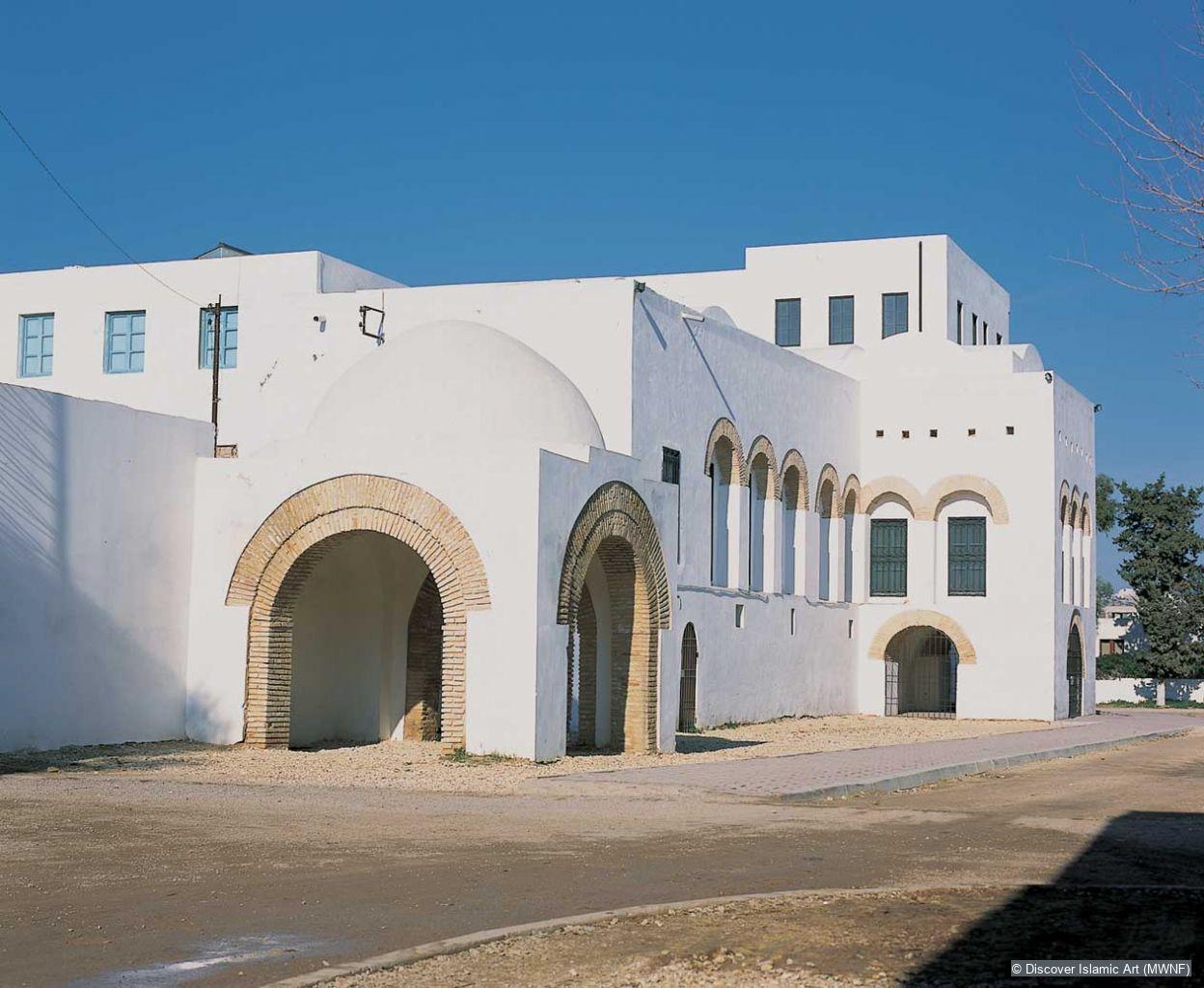
Name of Monument:
Abdelliya Palace
Location:
La Marsa, Tunisia
Date of Monument:
Hegira 905 / AD 1500
Period / Dynasty:
Hafsid
Patron(s):
The Hafsid prince Abu ‘Abdallah.
Description:
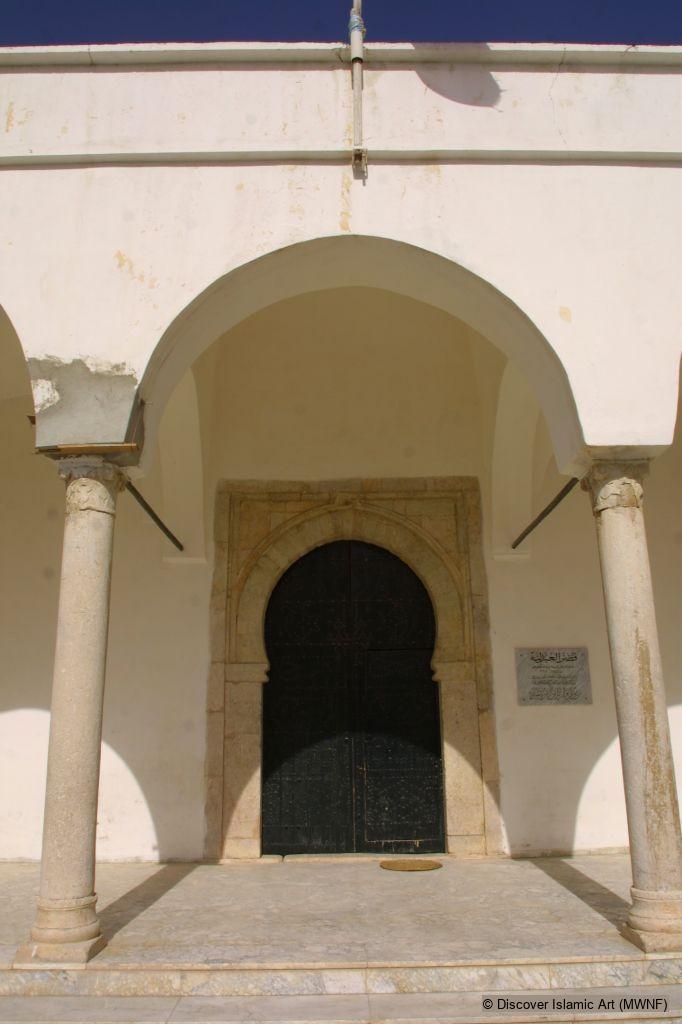
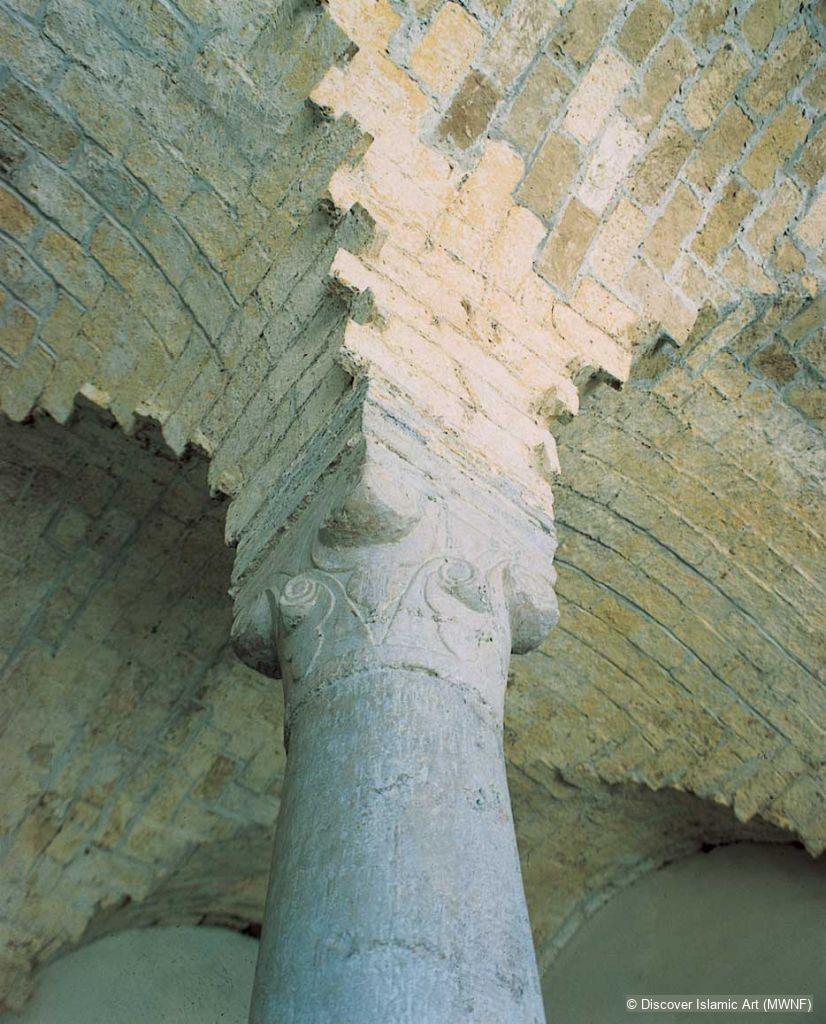
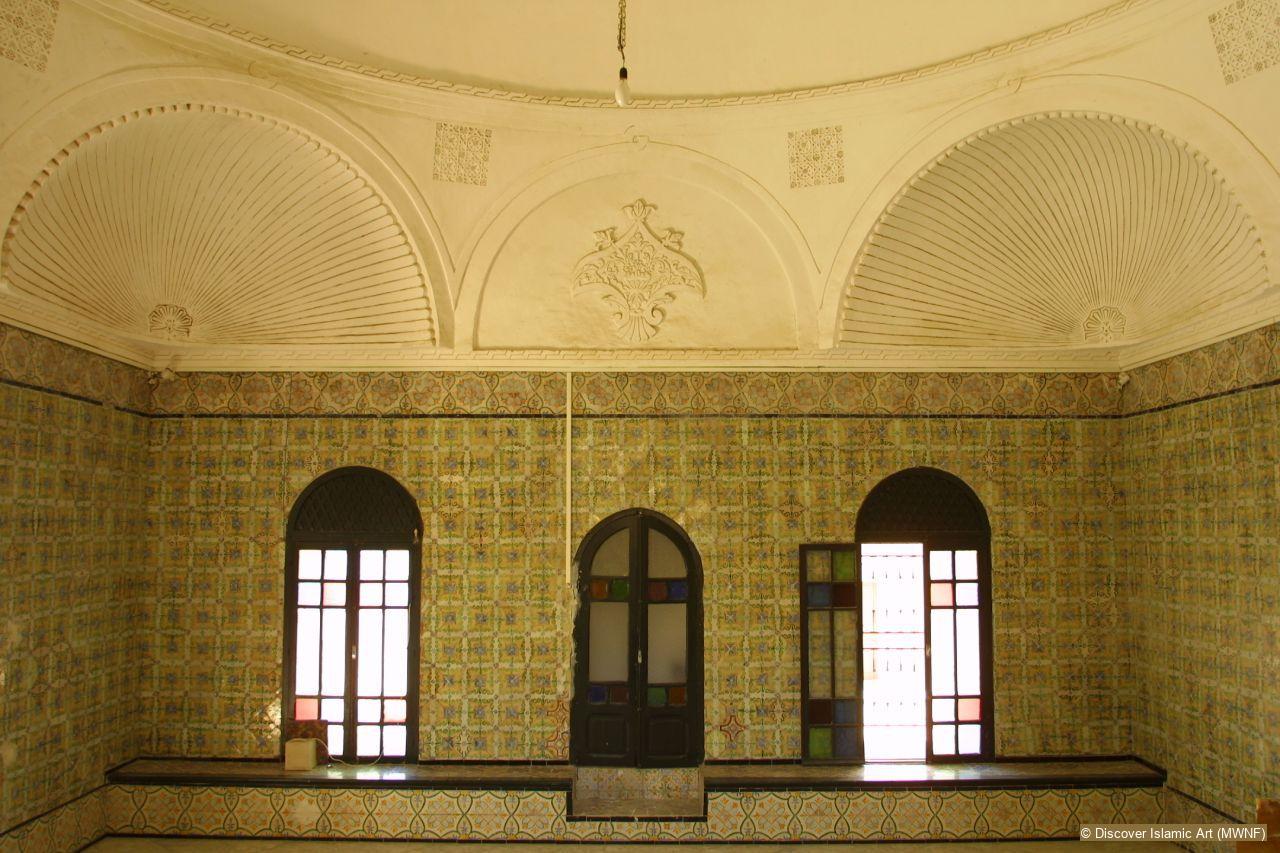
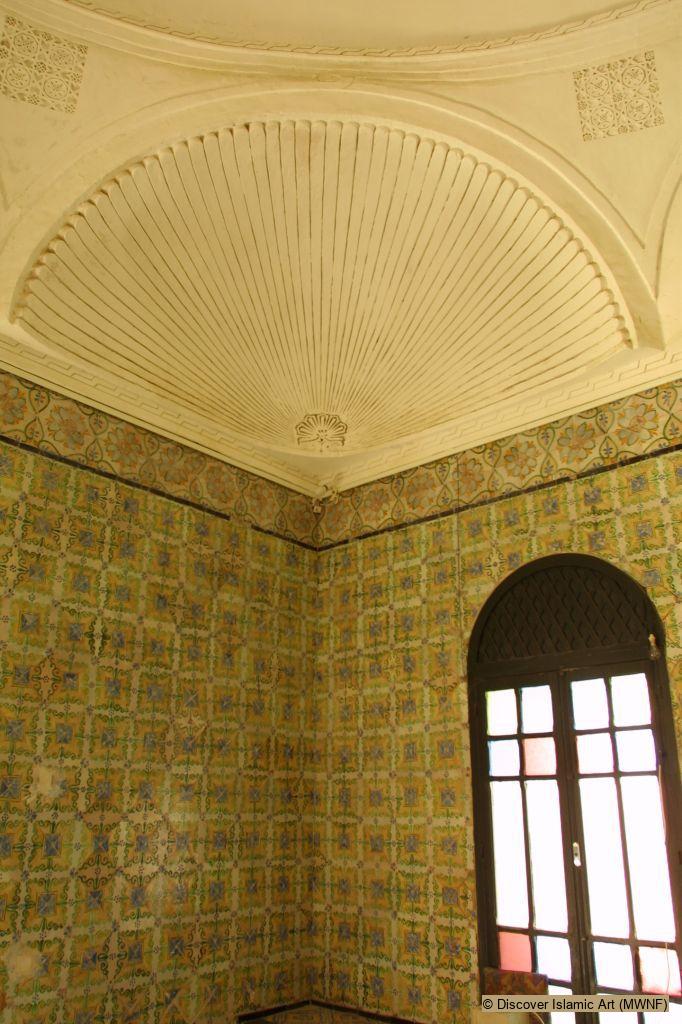
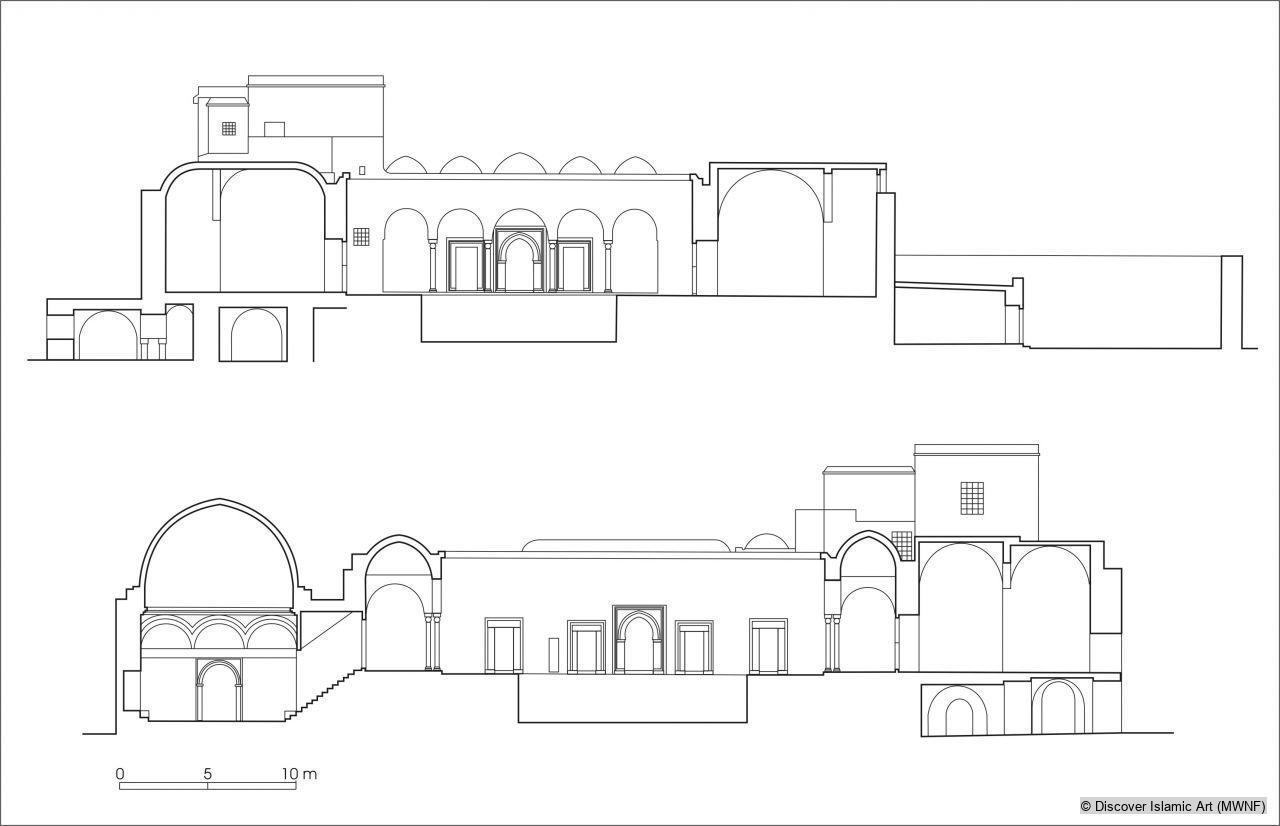
The Abdelliya was part of a group of three buildings erected in the central part of vast gardens reserved for the court as a holiday residences. The only surviving building is that known as the Grand Abdelliya. The main entrance is through a portico with three pointed arches resting on stone columns with Turkish capitals. The studded door beneath the pointed arch is framed in stone. The first hallway (driba) is square in plan. The presence of benches, and of a niche where the prince probably sat, indicates that the driba was used to receive audiences or for lawsuit hearings. It is roofed with a dome on scalloped squinches, decorated with Husaynid bouquets carved in plaster. The walls are covered with 19th-century Italian ceramics. A staircase leads to the courtyard and to the apartments.
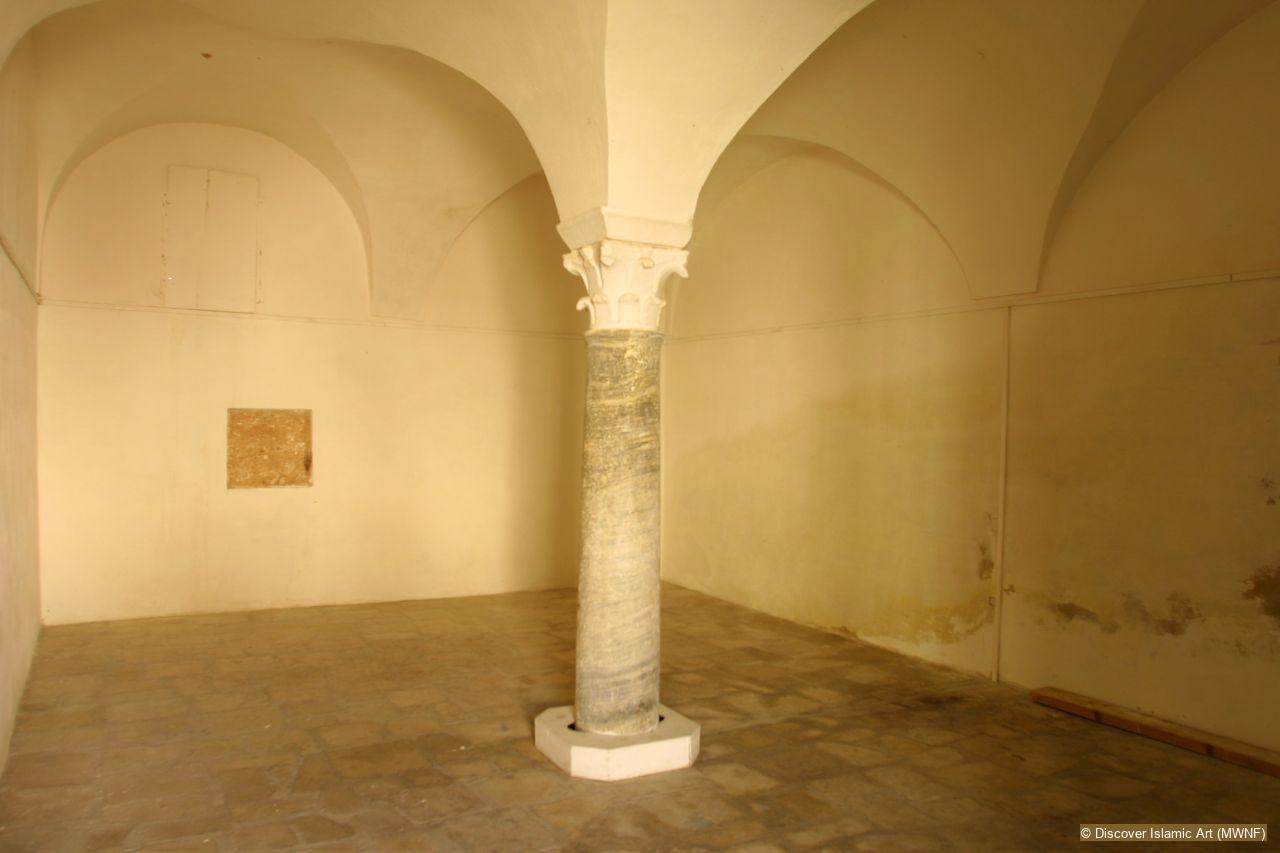
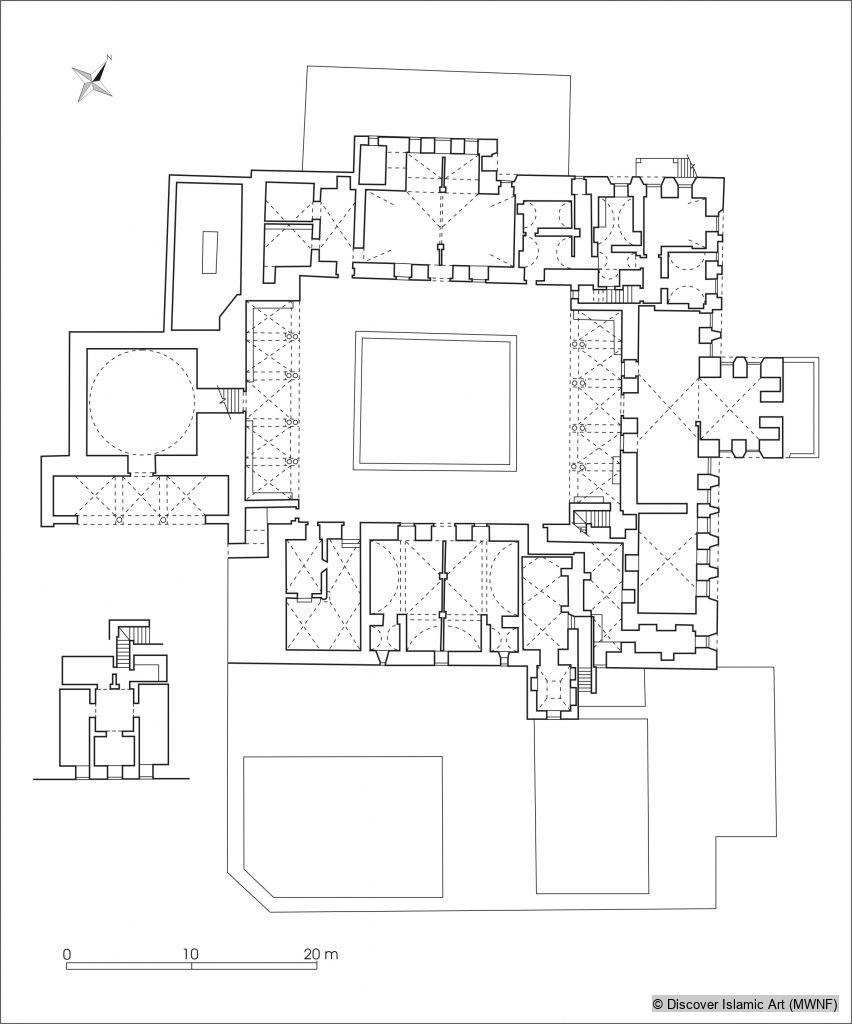
The apartments are built on the ground floor area covered with arches reinforced by arch-beams, thick pillars and partition walls of rubble and stone. These are provisions stores and a guard room, followed by stables positioned between two service courtyards. Access to these annexe spaces is via a separate entrance on the other side of the building opposite the main entrance. On the northwest side of the ground floor there is a projection from the main building that is a room roofed with vaults and mainly open to the outside. It was a maqad or siesta room.
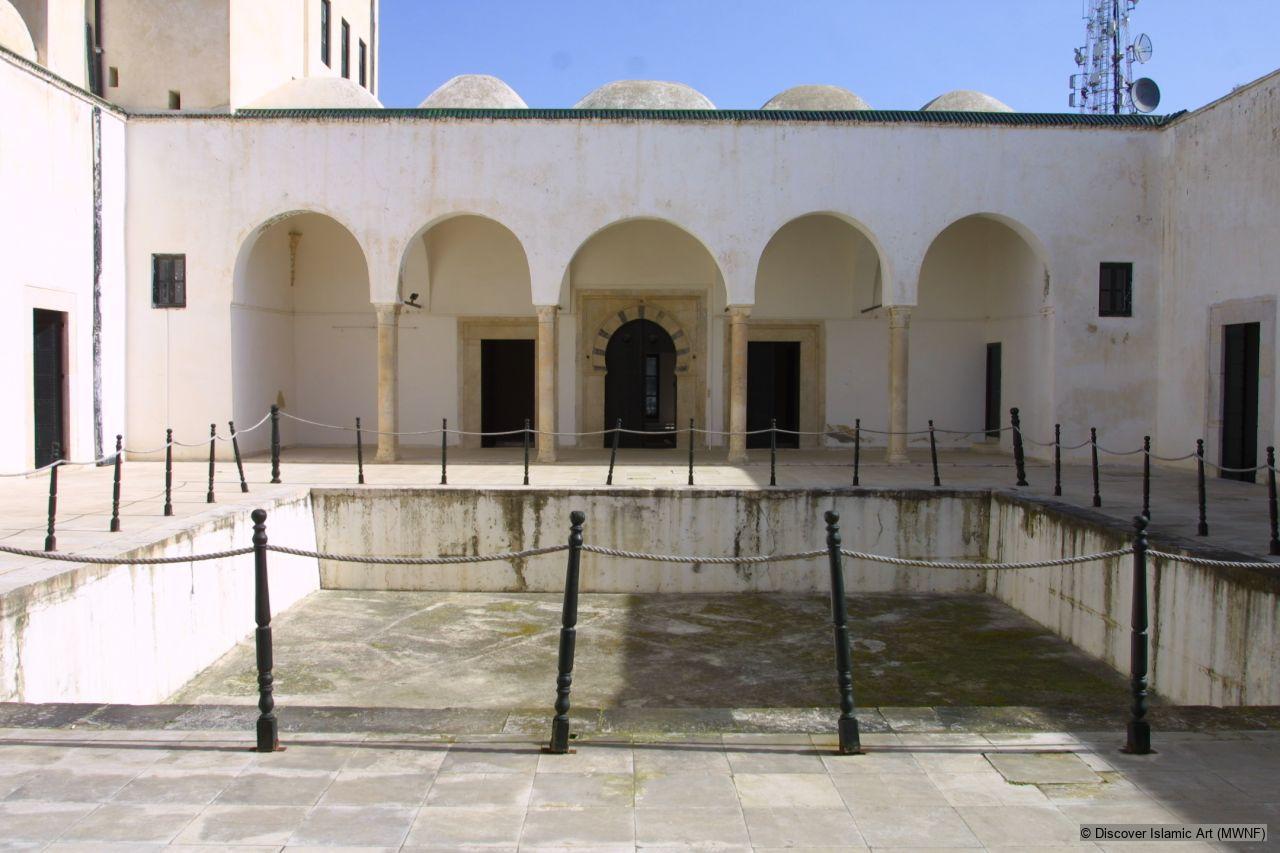
On the first floor, the actual living areas are arranged around a courtyard embellished in the centre by a rectangular water feature. The facades are twinned symmetrically, two under each portico. The entrance and one room each have an arched doorway, flanked by windows. Three large median-alcoved rooms look out towards both the courtyard and the outside. In the northeast corner, opposite the entrance, stands a square tower that appears to have come from an earlier Almohad building. The view from the top of this tower is astonishing. One looks over the terraces and over an amazing variety of domes covering halls and rooms; a succession of high-corner vaults, barrel-vaults intercut with groined vaults and hemispherical vaults.
This palace was one of a group of royal residences surrounded by vast gardens that were used by the court for holidays. This monument is a unique example of a building inspired by Hispano-Maghrebin models, with its vast courtyard and central pool, large rooms with wide openings, and a tall quadrangular tower, all opening onto a huge park.
Despite its modest proportions, it is reminiscent of the recreational palaces of al-Andalus.
The originality of the Abdelliya lies in its dual purpose: a holiday destination and a permanent residence.
How Monument was dated:
Historical sources; Fadhel ibn Achour, quoting al-Messaoudi, speaks of the palaces bearing the name of Abdelliya. These are sumptuous palaces surrounded by gardens erected in the 10th / 16th century by Abu ‘Abdallah al-Hafsi during the declining years of the Hafsid Dynasty.
Selected bibliography:
Marçais, G., L'architecture musulmane d'Occident, Paris, 1954, pp.478–9.
Revault, J., Palais et résidences d'été de la région de Tunis, Paris, 1974, pp.55–72.
Ifriqiya: Thirteen centuries of Art and Architecture in Tunisia, pp.80–81.
Citation of this web page:
Jamila Binous "Abdelliya Palace" in Discover Islamic Art, Museum With No Frontiers, 2026. 2026.
https://islamicart.museumwnf.org/database_item.php?id=monument;ISL;tn;Mon01;35;en
MWNF Working Number: TN 35
RELATED CONTENT
Islamic Dynasties / Period
See also
Virtual Visit Exhibition Trail
Ifriqiya. Thirteen Centuries of Art and Architecture in Tunisia
Download
As PDF (including images) As Word (text only)